
Understanding Cat Dementia: Early Signs and How to Support Your Senior Cat
Healthy Paws Mobile Vet - Compassionate Mobile Vet Care for Dogs & Cats in Brisbane & Moreton Bay
As our feline companions age, their needs change, sometimes in quiet, subtle ways. One condition that can affect senior cats is feline dementia, also known as feline cognitive dysfunction (CDS). While it can be distressing to witness, early recognition and supportive care can make a world of difference in your cat’s comfort and wellbeing.
At Healthy Paws Mobile Vet, we bring gentle, stress-free veterinary care to your doorstep, serving families and pets across parts of Brisbane and Moreton Bay. Our goal is to help your pets stay healthy and happy at every stage of life, even the later ones.
What Is Cat Dementia?
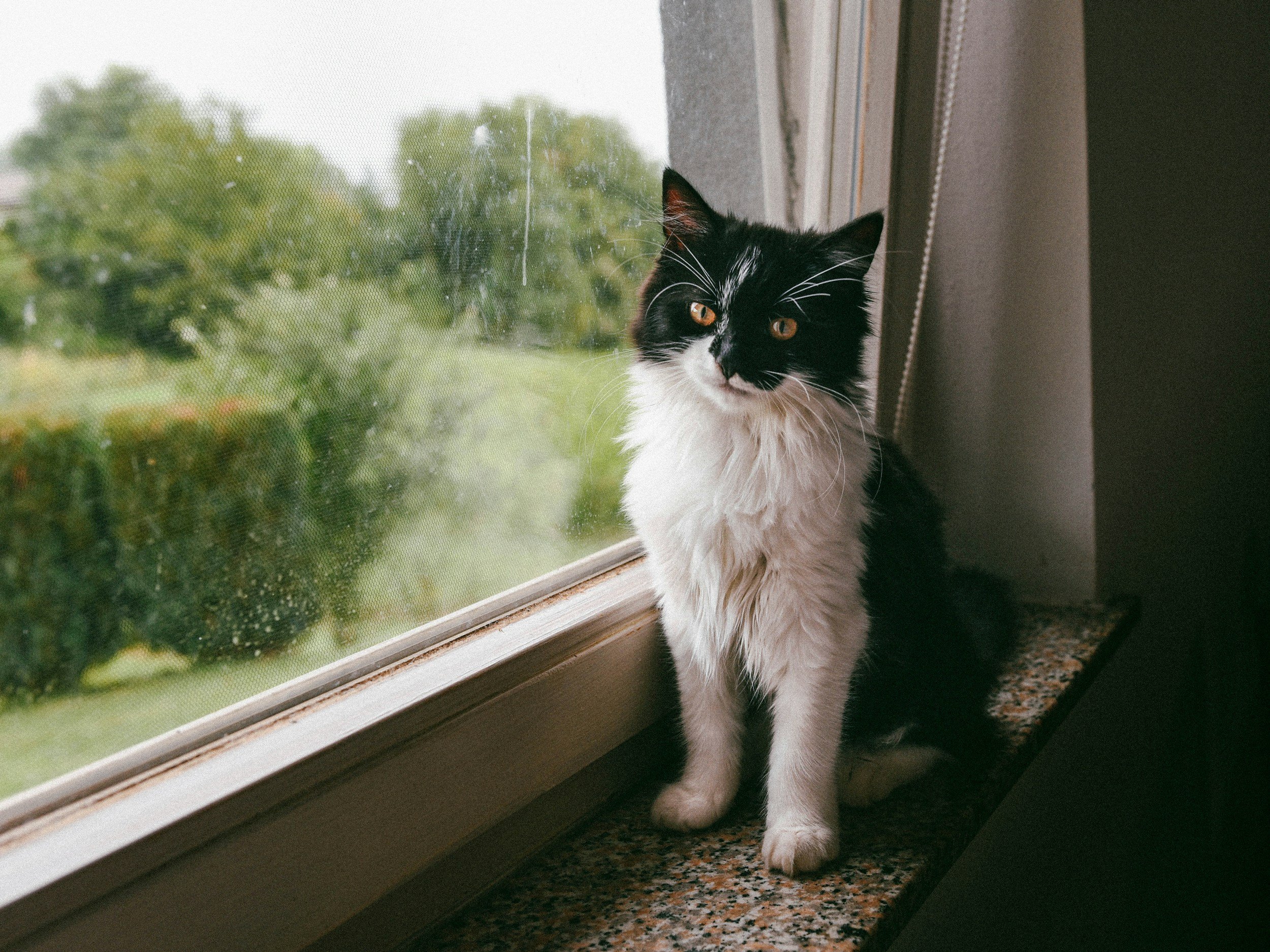
Feline cognitive dysfunction syndrome is a progressive brain condition that affects memory, awareness, and behaviour in ageing cats. Much like humans, cats can experience cognitive decline that impacts their day-to-day life. It is not simply "getting old," and recognising the signs early can help your cat enjoy a better quality of life for longer.
There is no cure for CDS, but with supportive care and regular veterinary monitoring, it is possible to slow progression and ease symptoms. Because many of the signs of CDS overlap with other common conditions in older cats, such as hyperthyroidism, kidney disease, liver disease, and arthritis, it is important to have your cat properly assessed before assuming dementia is the cause. CDS is diagnosed by ruling out other conditions first.
Signs of Cat Dementia to Watch For
Every cat is unique, but here are some common signs of cognitive decline in senior cats:
Every cat is different, but here are some common signs of cognitive decline in senior cats:
🧭 Disorientation and confusion
Getting lost in familiar areas of the home
Staring into space or at walls
Getting stuck behind furniture or in tight spots
🐾 Changes in social behaviour
Becoming more withdrawn or, conversely, unusually clingy
Losing interest in play or affection
Altered interactions with family members or other pets
🌙 Disrupted sleep patterns
Increased vocalising at night
Restlessness or unusual night-time activity
Excessive daytime sleeping or lethargy
🧼 Grooming changes
Neglecting grooming, leading to a messy or matted coat
Overgrooming or fixating on one spot
🧻 Litter box issues
Forgetting where the litter tray is located
Accidents outside the tray
😿 Anxiety and vocalising
Excessive meowing or yowling, particularly at night
Hiding, pacing, or increased fearfulness
Appearing more unsettled when left alone
Brain structure changes have been observed in cats as young as six years old, so if you notice any of these changes in your cat, it is worth raising them with your vet sooner rather than later. Twice-yearly health checks for middle-aged and senior cats are a good idea, as early detection gives you more options.
What You Can Do to Help
If you notice these signs in your senior cat, the first step is to book a vet consultation to rule out other health conditions. At Healthy Paws Mobile Vet, we offer in-home wellness checks and senior pet consults, so your cat can be examined in the comfort of their own space. Our mobile service reduces stress and gives us a much better picture of how your cat is actually behaving at home.
Supportive tips for cats with CDS
Keep a consistent daily routine and avoid major changes to their environment
Ensure easy access to food, water, and litter trays
Use nightlights to help with night-time disorientation
Provide gentle, mentally stimulating toys and activities, rotating them regularly to keep things interesting
Create safe, quiet resting spots away from household noise
Encourage gentle play such as wand toys, laser pointers, or puzzle feeders to keep their brain active
Offer patient, gentle affection and try not to respond with frustration if accidents happen
Nutrition and supplements that may help
What your cat eats can play a supporting role in managing CDS. Some things worth discussing with your vet include:
Omega-3 fatty acids (EPA and DHA): found in fish oil or marine algae oil, these can help support brain health and manage inflammation. Because oils can go rancid over time, buy smaller quantities and store them away from heat to keep them fresh.
Antioxidant-rich diets: nutrients such as vitamin E, vitamin C, and B vitamins may help protect the ageing brain.
Diets with added medium-chain triglycerides (MCTs): as the brain ages, it can become less efficient at using glucose for fuel. MCTs provide an alternative energy source (ketones) that the brain can still use effectively.
Some prescription and therapeutic diets are specifically formulated with cognitive health in mind. Your vet can advise whether one of these might suit your cat.
Feeding consistent meals at regular times also helps. A predictable routine around food provides not just good nutrition, but a stable pattern in your cat's day, which can be genuinely settling for a cat with CDS.
Managing anxiety and sleep disturbance
Anxiety and night-time restlessness are among the most common and disruptive signs of CDS, both for your cat and for you. There are several approaches that can help, and your vet can guide you on what is most appropriate for your cat's individual situation.
Environmental supports to consider:
Calming pheromone diffusers or sprays (such as Feliway) can help create a more settled feeling at home
A separate, quiet room for your cat at night so they can move around without disturbing your sleep
A timed feeder, which can help reassure a cat who keeps returning to the bowl because they have forgotten they have already eaten
Your vet may also recommend supplements such as melatonin to support sleep, or probiotic supplements designed to help manage stress. For cats with more significant anxiety, prescription medications may be worth discussing. Gabapentin, for example, is sometimes used to help with anxiety as well as pain, and your vet can talk you through the options that might suit your cat best. There is no one-size-fits-all approach, and the right plan will depend on the signs your cat is showing.
Caring for Ageing Cats with Compassion
Living with a senior cat experiencing dementia can be emotionally challenging, but you’re not alone. We're here to support both you and your feline friend with mobile veterinary services tailored to the needs of older pets.
From wellness visits and senior care to end-of-life guidance when needed, Healthy Paws Mobile Vet is proud to serve cat lovers across Brisbane and Moreton Bay with kindness, compassion, and clinical excellence.
🐾 Need Help with Your Senior Cat?
We offer:
Mobile Vet Consults for Senior Cats
In-Home Wellness Exams & Behaviour Support
Gentle End-of-Life Guidance & Care
Preventative Care Plans for Ageing Pets
📍 Servicing select suburbs in Brisbane & Moreton Bay
You can visit our website here
To find more resources on keeping your pets happy and healthy click here
Let’s keep your cat’s golden years as bright and comfortable as possible, because every stage of life deserves quality care. 🧡